Parasites in the body: How to recognize and treat them holistically
Parasites are far more widespread than many people realize. This article explains what parasites are, how they enter the body, which symptoms they can cause, and why a holistic approach to this issue can be beneficial.
What are parasites?
Parasites are living organisms that survive at the expense of another organism, known as the host. They use the host as a source of nourishment and as a habitat, without providing any benefit in return.
On the contrary, parasites can deprive the host’s body of important resources such as macro- and micronutrients, thereby contributing to nutrient deficiencies and impairing metabolic processes. In addition, they can damage cells and tissues and release harmful substances that place further strain on the organism. A parasitic infection can therefore be associated with a wide range of symptoms, many of which are non-specific.
Note: Bacteria and viruses can also cause infectious diseases. However, due to their biological characteristics, they are not classified as parasites.
What types of parasites are there?
Parasites are generally classified according to their location in or on the body. So-called endoparasites live inside the body, whereas ectoparasites live on the surface of the body and feed, for example, on blood or skin components.
Endoparasites include:
- unicellular parasites (protozoa)
- worms such as roundworms, tapeworms, flukes (e.g. liver flukes), or threadworms (e.g. pinworms)
Ectoparasites include:
- insects such as mosquitoes and lice
- arachnids such as mites and ticks
What are the most common parasites in humans?
In Central Europe, intestinal parasites such as pinworms and roundworms are among the most common. In addition, several unicellular parasites are widespread, including Toxoplasma gondii, Blastocystis hominis, and Giardia lamblia.
The most common ectoparasites include ticks and mosquitoes. Although they live on the surface of the body, they can transmit other pathogens through bites or stings, including unicellular parasites, bacteria (e.g. Borrelia or Bartonella), or viruses such as the tick-borne encephalitis (TBE) virus.
Are many people affected by parasites?
Parasites are often associated with tropical regions or poor hygiene. In reality, however, they are also widespread in Western industrialized countries. Experts assume a high number of unreported cases, as parasitic infections are often not specifically tested for and symptoms can be diverse and non-specific.
How do people become infected with parasites?
In most cases, parasites enter the body unnoticed. Common routes of infection include:
- contaminated foods, such as raw or insufficiently cooked meat and fish, as well as inadequately washed fruit and vegetables
- contact with pets
- smear infections via hands or surfaces
- contaminated drinking water
- insect bites
Intensive agriculture and animal husbandry, as well as the global food trade, are major factors contributing to the increasing spread of parasites. Another growing problem is the development of resistance to antiparasitic agents, which is promoted by the prophylactic use of such medications in animal farming.
Many parasites have complex life cycles with several developmental stages. Their eggs are often extremely resilient and can survive in the environment for long periods of time. This adaptability makes control more difficult and promotes repeated reinfections.
Pets as a risk factor
Close contact with pets such as dogs and free-roaming cats is a frequently underestimated risk factor. These animals can carry parasites themselves and transmit them to humans. A well-known example is Toxoplasma gondii, a unicellular pathogen transmitted via cat feces, for example when cleaning the litter box. Infection can be particularly problematic during pregnancy and may lead to malformations in the unborn child. The pathogen has also been linked to psychiatric disorders, as it can affect the nervous system.
In addition, ectoparasites of pets, such as fleas and ticks, pose a risk because they can transmit a wide range of other pathogens. An informed, hygienic approach to handling pets, along with regular parasite prevention, is therefore an important preventive measure.
Possible symptoms of a parasitic infection
The symptoms of a parasitic infection are diverse. Infections may also be asymptomatic for periods of time or vary in severity. As a result, affected individuals often do not associate their symptoms with parasites.
Common symptoms include:
- bloating, diarrhea, or constipation
- abdominal pain, a feeling of fullness, or pressure in the upper or lower abdomen
- itching around the anus
- persistent fatigue and exhaustion
- skin problems, itching, or allergy-like reactions
- cravings, especially for sweets, or changes in appetite
- anemia, for example in the form of low ferritin levels
- psychological changes such as depressive moods or irritability
- diffuse muscle or joint pain
- deficiency symptoms due to impaired nutrient absorption
- sleep disturbances or restless sleep
Why are some people asymptomatic while others become ill?
Contact with parasites and other infectious agents is part of everyday life. Through food, water, the environment, and social interactions, the human body is constantly exposed to potential stressors. While exposure can be reduced through good hygiene and a conscious lifestyle, it cannot be completely avoided.
This raises the question of why some people remain fit and symptom-free despite these exposures, while others develop complaints. Whether parasites are able to multiply in the body depends largely on the internal environment.
In a healthy organism with an adequate supply of vital nutrients, well-functioning digestion with sufficient enzyme and stomach acid production, a stable immune system, and efficient detoxification, parasites have a much harder time than in a body that is already weakened.
Factors such as chronic stress, lack of sleep, insufficient physical activity, micronutrient deficiencies, inadequate fluid intake, and exposure to environmental toxins weaken the body’s natural defence mechanisms and increase susceptibility. Health or disease is therefore not determined by the pathogen alone, but by the interaction between the level of exposure and the body’s internal environment.
Diagnosing a parasitic infection
Diagnosing parasites is often challenging in clinical practice. Conventional stool tests frequently produce false-negative results, as parasites or their eggs are not excreted continuously and are often detectable only in fresh stool samples. A negative result therefore does not rule out a parasitic burden.
More suitable diagnostic methods include molecular genetic stool tests for intestinal parasites and antibody tests for parasites residing within the body. For effective diagnostics, guidance from a properly trained practitioner is essential.
How to treat parasites holistically
Treatment always depends on the type of parasite and the individual health status of the affected person. Depending on the situation, antiparasitic measures may include medications such as ivermectin or mebendazole. Alternatively or as supportive measures, holistic approaches may also involve selected herbal extracts, such as Campsiandra bark extract or Cryptolepis sanguinolenta root extract.
In addition, optimizing lifestyle plays a central role in treatment. Nutrition in particular has a major influence: A micronutrient-dense, minimally processed diet rich in vegetables, secondary plant compounds, and dietary fiber should form the foundation. Sugar, refined flour products, and fast food should be reduced, as they can promote the proliferation of parasites.
Alongside dietary measures, correcting micronutrient deficiencies and providing targeted support for immune function, gut health, and detoxification processes is of great importance.
Selection of suitable Allvital products
Our range includes several products that can be used as part of a holistic parasite protocol:
BioHumin: When parasites die, toxins may be released, which can temporarily worsen symptoms. For this reason, the use of binding agents is important. BioHumin contains humic and fulvic acids that bind unwanted substances in the gut and help minimize reabsorption into the body.
Multivitamin Booster: Our Multivitamin Booster provides a broad base of vitamins, minerals, trace elements, and plant-based antioxidants for daily nutritional support and is particularly suitable during periods of increased physiological stress.
Nattokinase Complex and Enzyme Complex with papain and bromelain: Enzymes can help break down biofilms – slimy protective layers in which parasites and other microorganisms can hide and which are difficult for the immune system and antimicrobial agents to access. The Enzyme Complex also supports digestion and nutrient absorption in the gut.
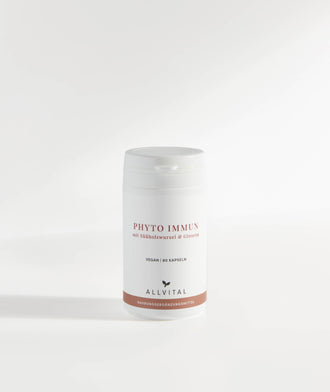
Immune Power Up and Phyto Immune: These products are specifically formulated to support healthy immune function and contain selected micronutrients and plant extracts.
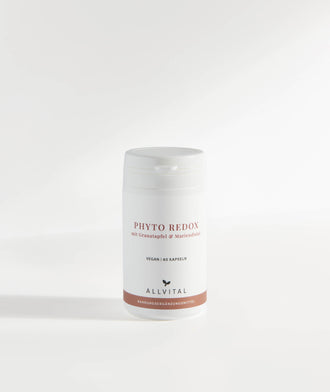
Phyto Redox: Phyto Redox provides antioxidant plant compounds to support the body’s natural detoxification processes. Licorice root, milk thistle, and holy basil (tulsi) also support immune function.
NutriGreen: NutriGreen is a plant-based micronutrient and chlorophyll complex designed to complement the intake of secondary plant compounds.
Caution with iron infusions
Many individuals with a parasitic burden show low ferritin levels, indicating depleted iron stores, which often do not improve despite oral iron supplementation. One possible reason is that parasites themselves require iron and can simultaneously impair iron absorption in the gut.
In such cases, iron infusions may be problematic. Rather than sustainably correcting the deficiency, the additional iron may promote parasite proliferation. For this reason, a potential parasitic burden should always be considered when ferritin levels are low, and the underlying cause of the deficiency should be carefully evaluated before administering intravenous iron.
Conclusion: Prevention and a healthy lifestyle
Complete avoidance of parasite exposure in everyday life is not possible. The key is therefore to support the body in such a way that parasites do not find a favourable environment. A balanced, nutrient-rich diet, healthy gut function, a stable immune system, and mindful management of stress and environmental exposures form the foundation of effective prevention. A strong internal environment is the most important protective factor against parasitic burden.